Customer Feedback on Popular HVAC Blower Housing Brands
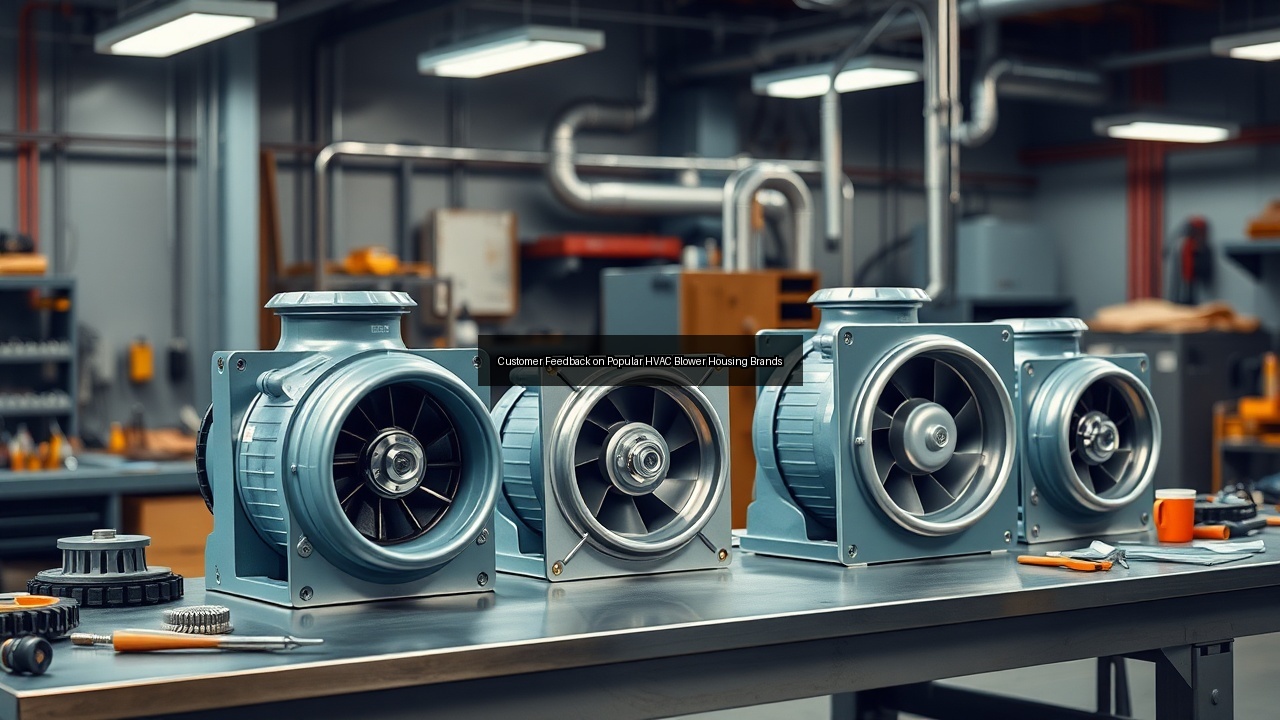
Understanding HVAC Blower Housings and Their Importance
Role of Blower Fans in HVAC Systems
Blower fans serve a critical function in HVAC systems, ensuring the effective circulation of air throughout residential and commercial spaces. These fans create the necessary airflow to distribute heated or cooled air, directly influencing comfort levels. When a furnace or air conditioner operates, the blower fan pulls air through the air filter, removing dust, debris, and allergens before pushing clean air into the living area. This process not only enhances indoor air quality but also helps maintain consistent temperatures. A well-functioning blower fan, housed within a durable HVAC blower housing, can significantly improve energy efficiency, leading to lower energy bills and a more comfortable environment. Customers frequently note that reliable blower fans contribute to the overall performance of their HVAC systems, emphasizing the importance of selecting high-quality components.
Components of Blower Housing: Cage, Motor, and Bearings
The HVAC blower housing encapsulates several vital components, each playing a distinct role in the system's overall performance. The blower fan cage, often made of sturdy materials, houses the fan blades, ensuring efficient airflow while minimizing noise. The motor drives the blower fan, and its strength determines how effectively the system can move air. Additionally, the ball bearings within the motor reduce friction, allowing for smoother operation and prolonging the unit's lifespan. Quality in each of these components directly impacts the system's reliability and efficiency. Customers consistently report that investing in robust blower housing assemblies results in fewer repairs and enhanced performance. Therefore, understanding the intricacies of these components can guide consumers in making informed choices when selecting HVAC blower housings.
The Impact of Quality on HVAC Efficiency
Quality significantly influences HVAC efficiency, especially concerning blower housings. A well-constructed blower housing minimizes air leaks, ensuring that conditioned air is delivered effectively throughout the space. Poor quality materials can lead to vibrations and noise, indicating inefficiencies that may require costly repairs or replacements. Customers often express frustration with subpar products that fail to meet their expectations, leading to reduced system performance. Investing in reputable brands that prioritize quality materials and engineering can yield long-term benefits. Feedback from users highlights the importance of durability and performance, as high-quality blower housings not only enhance efficiency but also contribute to the longevity of the HVAC system. By prioritizing quality, homeowners can enjoy a more comfortable environment and peace of mind knowing their systems are running optimally.
Top Brands of HVAC Blower Housings: A Customer Feedback Overview
OEM vs. Aftermarket Brands: What Customers Say
When it comes to selecting HVAC blower housings, customers often debate between OEM (Original Equipment Manufacturer) products and aftermarket brands. OEM parts typically guarantee compatibility and maintain the original specifications set by the manufacturer, which can enhance performance and reliability. Many users express satisfaction with OEM blower housings, citing their longevity and seamless integration into existing HVAC systems. On the other hand, aftermarket brands often provide more cost-effective alternatives. Some customers report positive experiences with these products, highlighting their affordability and comparable performance. However, feedback also reveals concerns regarding the variability in quality among aftermarket options. Thus, potential buyers should weigh their choices carefully, considering both reliability and budget constraints when deciding between OEM and aftermarket blower housings.
Brand Comparisons: Performance and Reliability
Customer feedback frequently delves into comparisons of various HVAC blower housing brands, focusing on performance and reliability. Brands such as Trane, Carrier, and Lennox consistently receive high marks for their blower housings due to their robust construction and efficient operation. Many users report that these well-established brands produce blower fans that operate quietly while delivering consistent airflow. Conversely, lesser-known brands may offer lower price points but often receive mixed reviews regarding performance. Customers tend to appreciate brands that provide detailed specifications, alongside user-friendly installation guides. Reliability remains a key concern, with many individuals opting for brands that boast a strong reputation in the HVAC industry. Ultimately, consumers benefit from researching and comparing brand offerings to ensure they select a blower housing that aligns with their performance expectations and installation requirements.
Warranty Insights: What Customers Expect
Warranties play a vital role in customer satisfaction when it comes to HVAC blower housings. Many consumers expect warranties of at least one year, with premium brands often extending coverage to several years. A solid warranty reflects a manufacturer's confidence in their product, providing peace of mind for users who invest in HVAC systems. Customers frequently emphasize the importance of understanding warranty terms, as certain exclusions may apply. Feedback reveals that those who experience issues with their blower housing appreciate responsive customer service and hassle-free warranty claims. Some users report frustration with brands that have unclear warranty policies or poor support when issues arise. Therefore, potential buyers should consider warranty options alongside product quality, as strong warranty support can enhance the overall ownership experience of HVAC blower housings.
Common Issues and Solutions with HVAC Blower Housings
Feedback on Common Problems: Noise and Vibration
Noise and vibration often emerge as common complaints among HVAC blower housing users. Excessive noise can disrupt comfort in residential settings, leading many customers to seek solutions. Feedback reveals that poorly mounted blower motors or worn-out ball bearings typically contribute to these issues. Users frequently recommend checking motor mounts and ensuring all components are tightly secured to minimize vibrations. Additionally, lubricating ball bearings can significantly reduce noise levels and improve overall operation. Many customers find that opting for higher-quality blower housings leads to quieter and more stable performance. Addressing these common problems proactively allows homeowners to maintain a peaceful living environment while ensuring their HVAC systems operate efficiently.
Maintaining Your Blower Housing: Tips from Users
Proper maintenance of HVAC blower housings can extend their lifespan and enhance performance. Customers often share tips based on their experiences. Regularly cleaning the air filter is a primary recommendation, as a clogged filter can restrict airflow and place undue strain on the blower fan. Users also emphasize the importance of inspecting the blower housing for signs of wear, such as rust or cracks. Routine lubrication of moving parts, especially ball bearings, can prevent potential issues and ensure smooth operation. Customers frequently advise checking for loose connections or misalignments that could lead to vibrations or noise. By implementing these maintenance strategies, homeowners can improve their HVAC systems' reliability and efficiency, fostering a comfortable indoor environment.
Troubleshooting Blower Motors in HVAC Systems
Troubleshooting blower motors can often resolve issues that arise within HVAC systems. Customers frequently encounter problems such as the blower motor not starting or running intermittently. Common troubleshooting steps include checking the power supply to ensure the motor receives adequate voltage. Users also recommend inspecting the thermostat settings to verify that the system is set to the desired mode. In cases where the motor hums but does not turn, feedback suggests examining the capacitor and ensuring it is functioning properly. Additionally, checking for obstructions in the blower housing can prevent airflow issues. Many customers find that consulting the manufacturer's guidelines during the troubleshooting process helps pinpoint problems accurately. By following these steps, homeowners can address blower motor issues effectively, maintaining the efficiency and reliability of their HVAC systems.
See Also
- Exploring Warranty Options for HVAC Blower Housing Products
- The Evolution of HVAC Blower Housing Designs Over the Years
- The Importance of OEM Blower Housings for Long-Term HVAC Reliability
- How to Choose the Right Blower Housing for Your HVAC System
- Insights into Blower Housing Materials and Their Durability