Innovative Welding Methods Transforming Modular Process Skid Design
Understanding Modular Process Skids
What are Modular Process Skids?
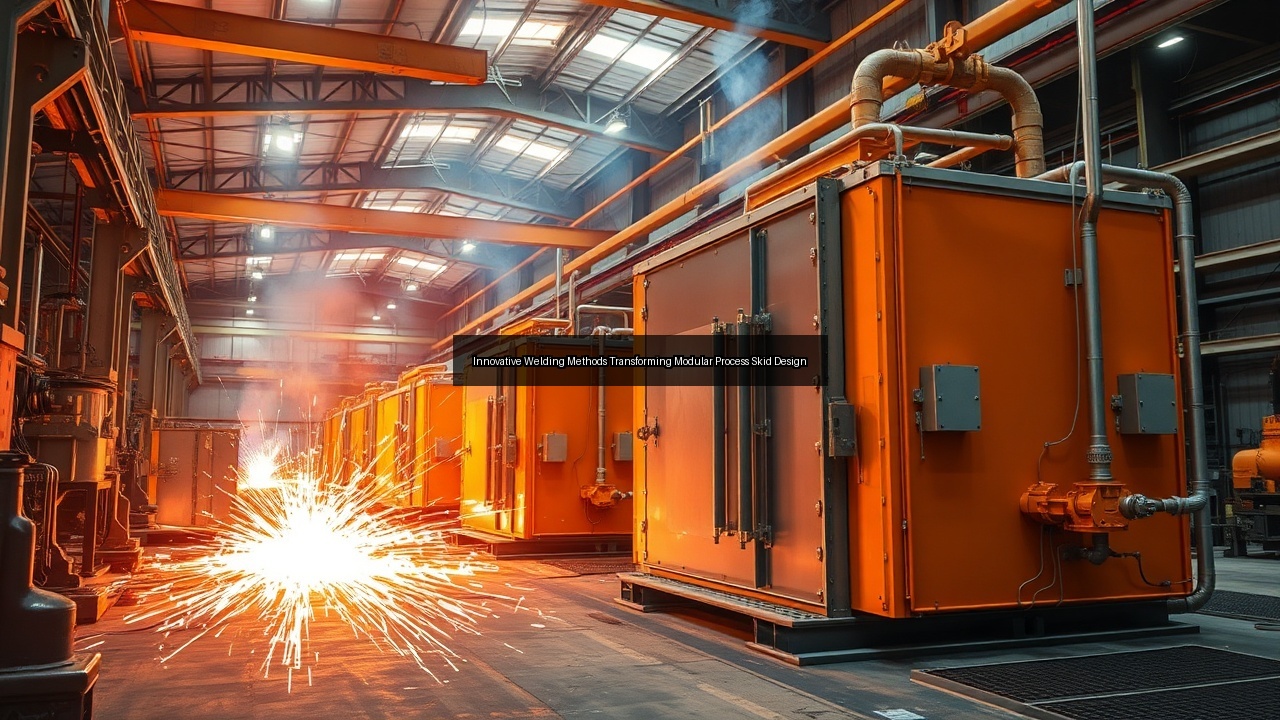
Modular process skids consist of preassembled units that bundle equipment, piping, and instrumentation onto a single steel frame for quick deployment. Engineers design these systems to handle fluid handling, separation, or chemical dosing tasks without on-site construction delays. Skid fabrication occurs in controlled shop environments where teams weld, machine, and test components before shipping them to the field. This approach reduces field labor and improves accuracy because fabricators work under consistent conditions. Companies that specialize in skid fabrication services deliver complete modular process systems ready for connection to existing infrastructure. Custom skid fabrication allows clients to specify exact layouts, valve placements, and control panels that match their process requirements. The result is a compact, transportable package that speeds project timelines across multiple industries.
Benefits of Modular Design in Skid Fabrication
Modular design delivers measurable advantages during skid fabrication. Shops complete welding and assembly indoors, shielding work https://agifabricators.com/process-skids/ from weather and improving weld quality. Parallel fabrication of multiple skids shortens overall project schedules compared with traditional stick-built methods. Manufacturers gain tighter control over material traceability and dimensional tolerances when they perform machining and welding in one location. Clients also see reduced site congestion because modular skids arrive pretested and require only bolting and piping tie-ins. Cost predictability improves because fabrication shops quote fixed prices that cover labor, materials, and quality checks. Safety improves when most high-risk welding happens under controlled conditions rather than at elevation or in congested plant areas. These benefits make modular skids attractive for both greenfield projects and brownfield upgrades.
Applications in the Oil and Gas Industry
The oil and gas industry relies heavily on modular process skids for production, midstream, and downstream operations. Operators use them for wellhead separation, metering, chemical injection, and gas compression packages. Skid fabrication companies build these units to withstand harsh environments, including offshore platforms and remote desert locations. In upstream applications, modular skids speed well tie-ins and allow rapid relocation when reservoirs decline. Midstream facilities employ them for pigging stations and pressure reduction skids that maintain pipeline integrity. Refineries integrate modular process systems into existing units during turnarounds to minimize downtime. Fabricators often incorporate American Society of Mechanical Engineers code stamps to satisfy regulatory demands common in North American oil and gas projects. This versatility keeps modular skid fabrication in high demand throughout the sector.
Innovative Welding Techniques in Skid Fabrication
Advanced Welding Technologies
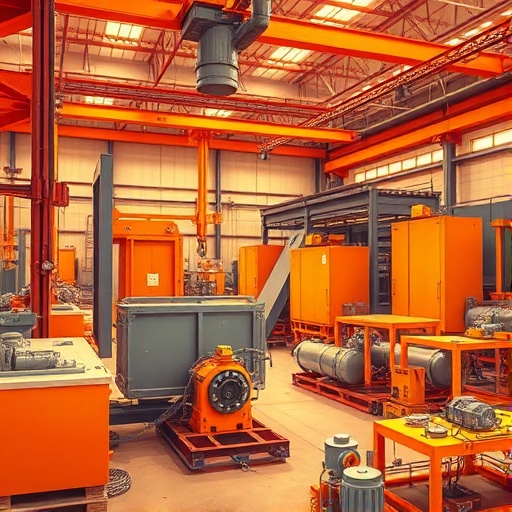
Advanced welding technologies now reshape how fabricators assemble modular process skids. Orbital welding systems produce consistent, high-purity welds on stainless and alloy tubing without manual torch manipulation. Laser and hybrid laser-arc processes deliver deep penetration at high travel speeds, reducing heat input and distortion on thin-wall pipe. Friction stir welding joins aluminum structural members used in skid frames where traditional fusion methods create weak zones. Automated gas tungsten arc welding cells handle repetitive spool fabrication with minimal operator intervention. Skid fabrication shops that invest in these technologies achieve higher throughput while meeting stringent code requirements. Manufacturers also apply pulsed gas metal arc welding for carbon steel structural components to control spatter and improve bead appearance. These methods integrate directly into modern skid fabrication workflows.
Impact on Fabrication Process Efficiency
Modern welding techniques accelerate the entire fabrication process for modular skids. Robotic cells weld frame assemblies overnight, freeing skilled welders for complex piping intersections. Reduced weld times allow shops to complete more skids per month without expanding floor space. Automated parameter logging captures every pass, eliminating manual data entry and speeding quality documentation. Parallel welding stations on a single skid cut cycle time by 30 to 40 percent compared with sequential methods. Fabricators using these approaches deliver custom skid fabrication projects on shorter lead times while maintaining dimensional accuracy. The efficiency gains also lower energy consumption per weld because high-speed processes finish joints faster. Overall, the fabrication process becomes more predictable and scalable for skid fabrication companies serving the oil and gas industry.
Quality Control in Welding Methods
Quality control remains central to every welding operation in skid fabrication. Shops perform real-time monitoring of arc voltage, current, and travel speed to detect deviations before defects form. Post-weld inspection includes phased-array ultrasonic testing and radiographic examination on critical pressure-retaining welds. Traceability systems link each weld to specific welder qualifications, filler material heat numbers, and procedure specifications. Skid fabrication companies maintain weld maps that record location, process, and inspection results for client review. When defects appear, teams apply documented repair procedures and reinspect before releasing the skid. This disciplined approach minimizes field repairs and supports the high reliability expected in modular process systems. Consistent quality control also helps manufacturers manage risk and protect project schedules.
Key Considerations for Modular Skid Design
Material Selection: Alloys and Their Properties
Material selection drives both performance and cost in modular skid design. Carbon steel remains economical for noncorrosive services, while duplex and super-duplex stainless alloys resist chloride stress corrosion in offshore environments. Nickel-based alloys handle sour service conditions common in oil and gas production. Fabricators evaluate thermal expansion, strength at temperature, and weldability before finalizing alloy choices. Machining characteristics also matter because precise nozzle placements require tight tolerances on alloy plate and pipe. Skid fabrication teams often perform material verification using portable spectrometers to confirm chemistry before welding begins. Proper alloy selection extends service life and reduces maintenance frequency for the finished modular process skid. Manufacturers balance these technical factors against availability and budget constraints to deliver value.
Safety Standards in Skid Fabrication
Safety standards govern every phase of skid fabrication from design through shipment. Fabricators follow OSHA guidelines for shop operations and ASME B31.3 for process piping construction. Lifting lugs, tie-down points, and structural calculations receive third-party review to ensure safe transport and installation. Pressure vessels integrated into modular skids carry National Board registration and required code stamps. Electrical systems comply with NEC and area classification requirements for hazardous locations. Skid fabrication companies conduct regular safety audits and maintain documented procedures for confined space entry and hot work. These measures protect workers during fabrication and give end users confidence that the modular skid meets recognized safety benchmarks in the oil and gas industry.
Cost Management Strategies for Manufacturers
Cost management begins during the design phase of modular skid fabrication. Engineers optimize pipe routing to reduce weld quantity and material waste. Early procurement of long-lead valves and instruments prevents schedule slippage that inflates labor costs. Shops employ standardized frame designs that allow reuse of jigs and fixtures across multiple projects. Bulk purchasing of common alloys lowers material unit prices for skid fabrication companies. Detailed estimating software tracks labor hours by weld type and activity, highlighting areas for improvement. Manufacturers also evaluate transportation costs when selecting skid dimensions to avoid oversized load permits. These strategies keep total project cost competitive while preserving quality and safety margins on custom skid fabrication work.
Quality Assurance in Modular Skid Fabrication
Quality Management Practices
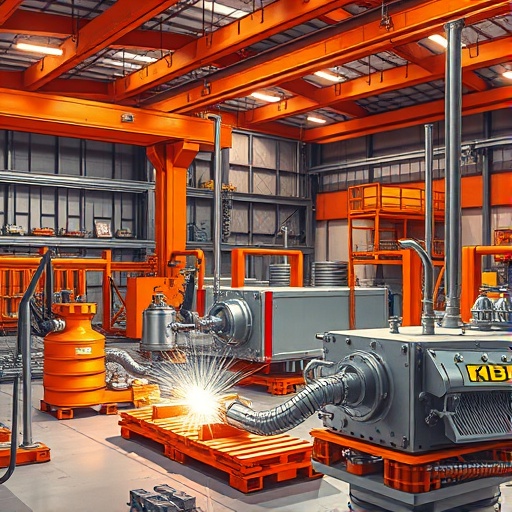
Quality management practices integrate inspection and testing throughout the skid fabrication sequence. Incoming material receives visual and dimensional checks before release to production. In-process hold points verify fit-up, weld preparation, and alignment before final welding. Final assembly testing includes hydrostatic or pneumatic pressure tests, functional checks of valves and instruments, and full system leak tests. Document control systems organize material test reports, welder qualifications, and inspection records into complete data books delivered with each modular skid. Skid fabrication shops that maintain ISO 9001 certification demonstrate systematic approaches to continual improvement. These practices reduce rework and support reliable operation once the modular process skid reaches the jobsite.
Role of Expert Oversight in Manufacturing
Expert oversight ensures consistent execution during modular skid fabrication. Licensed professional engineers review designs for code compliance and structural integrity before fabrication starts. Welding engineers qualify procedures and supervise welder performance on critical joints. Quality managers coordinate inspection resources and resolve nonconformances quickly. Experienced project managers maintain communication between the skid fabrication company, client, and subcontractors to prevent scope creep. Their involvement reduces risk by catching issues early and enforcing adherence to specifications. Manufacturers that retain in-house experts deliver higher-quality modular process systems and build long-term client relationships through reliable performance.
Licensing and Compliance in Skid Fabrication
Licensing and compliance requirements shape how skid fabrication companies operate. Pressure vessel stamps from the American Society of Mechanical Engineers remain mandatory for many oil and gas applications. Welder qualifications must stay current under ASME Section IX, and companies track renewal dates to avoid production interruptions. Environmental permits govern paint and solvent use in fabrication shops. Transportation permits cover oversized modular skids traveling over public roads. Compliance teams maintain records that satisfy client audits and regulatory inspections. Meeting these obligations protects both the fabricator and the end user while supporting safe deployment of modular process skids in regulated industries.
Future Trends in Modular Skid Fabrication
Emerging Technologies in Welding
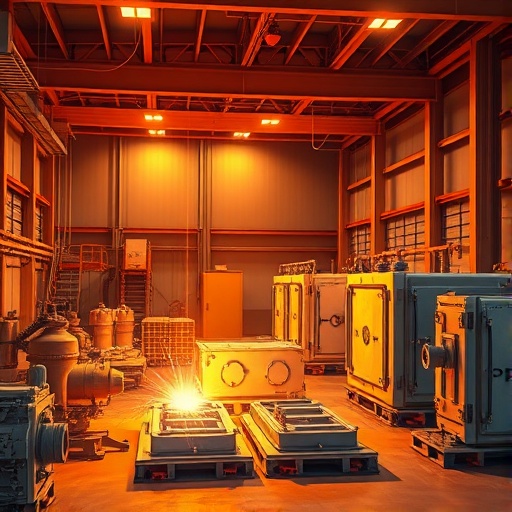
Emerging welding technologies promise further gains in modular skid fabrication. Directed energy deposition additive manufacturing now produces complex manifolds that reduce weld count and leak paths. Real-time weld monitoring with artificial intelligence flags defects during the process rather than after completion. Portable laser scanning verifies dimensions immediately after welding, accelerating fit-up checks on subsequent assemblies. Skid fabrication companies exploring these tools expect shorter cycle times and improved first-pass yield. Continued development of low-heat-input processes will expand options for joining advanced alloys used in corrosive services. These innovations position forward-thinking manufacturers to handle increasingly complex modular process systems.
The Role of Automation in Skid Manufacturing
Automation transforms skid manufacturing by handling repetitive tasks with precision. Robotic welding cells produce consistent structural and piping welds around the clock. Automated guided vehicles move heavy subassemblies between stations without manual forklifts. Digital work instructions displayed on tablets guide technicians through assembly sequences and capture completion data automatically. Skid fabrication shops that adopt these systems reduce human error and improve repeatability across multiple identical skids. Automation also addresses skilled labor shortages by allowing fewer workers to oversee larger production volumes. The result is scalable capacity for custom skid fabrication without proportional increases in headcount or floor space.
Sustainability and Environmental Considerations
Sustainability considerations now influence material and process choices in skid fabrication. Manufacturers select recycled steel content where mechanical properties permit and optimize nesting software to minimize plate scrap. Low-volatile organic compound coatings reduce emissions during finishing operations. Energy-efficient welding power sources lower electricity demand per skid. Water-based pressure testing systems replace solvent cleaning in many shops. Skid fabrication companies also design modular skids for easier disassembly and material recovery at end of life. These practices help clients meet corporate environmental targets while maintaining the performance and cost standards expected in the oil and gas industry.
See Also
- Navigating Quality Control in Custom Skid Fabrication Projects
- The Role of Quality Assurance in Skid Manufacturing Success
- Safety Standards in Skid Fabrication Processes You Should Know
- A Comprehensive Guide to Skid Fabrication for New Manufacturers
- Understanding the Licensing Requirements for Skid Fabricators